
Do I Really Need a Radon Test When Buying a Home?
If you're scheduling a home inspection, you've probably noticed that radon testing is offered as an optional service. It's also one of the questions we hear most often from buyers.
"Do I really need it?"
In most cases, yes.
Unlike a leaking roof or a faulty outlet, radon isn't something we can identify during a visual home inspection. It's an invisible gas that can only be detected through testing. Whether you're buying a home in Alpharetta, Milton, Roswell, Johns Creek, Cumming, or anywhere throughout North Fulton or South Forsyth, a radon test provides information that simply isn't available any other way.
If you're already investing in a buyer home inspection, adding a radon test is a relatively small step that can tell you something important about the home before closing.
What is Radon?
Radon is a naturally occurring radioactive gas released as uranium breaks down in soil and rock. It's colorless, odorless, and tasteless, so there are no visible signs that it's present.
As the gas moves upward through the ground, it can enter a home through foundation cracks, slab joints, crawlspaces, sump pits, utility penetrations, and other openings where the home meets the soil. Once inside, it can accumulate over time.
According to the Environmental Protection Agency (EPA), radon is the second leading cause of lung cancer in the United States and the leading cause among people who have never smoked. Because there are no immediate symptoms, testing is the only way to know whether a home has elevated radon levels.
Is Radon a Concern in North Atlanta?
Many homeowners are surprised to learn that radon isn't limited to homes with basements or properties in mountainous areas.
We've measured elevated radon levels in homes throughout North Atlanta, including Alpharetta, Milton, Roswell, Johns Creek, Cumming, North Fulton County, and South Forsyth County.
The geology throughout North Georgia makes radon more common than many people realize. Just as importantly, radon doesn't behave consistently from one property to the next. We've seen neighboring homes with completely different test results, even when they were built around the same time by the same builder.
Foundation type doesn't eliminate the risk, either. We've found elevated radon levels in homes with basements, crawlspaces, and slab foundations. The only way to know what's happening in a specific home is to test it.
Why Add Radon Testing During a Home Purchase?
The inspection period is one of the best opportunities to test for radon because it's when buyers are already evaluating the home's condition.
If elevated levels are found, there is still time to discuss mitigation before closing. In many cases, installing a radon mitigation system becomes part of the inspection negotiations, just like other repair items.
For sellers, we often recommend considering pre-listing inspections before putting a home on the market. If radon levels are elevated, the issue can usually be addressed before buyers ever walk through the front door, helping reduce surprises later.
Testing early gives everyone a clear picture of the property while there's still time to address concerns.
My Neighbor Tested Low. Doesn't That Mean My Home Is Fine?
Not necessarily.
This is one of the biggest misconceptions we hear.
Radon levels can vary dramatically from one home to the next because of differences in soil composition, grading, foundation construction, ventilation, and even how the home is used. Two nearly identical homes on the same street can produce very different results.
That's why we never recommend relying on a neighbor's radon test. Each home should be evaluated on its own.
At-Home Test Kits vs. Having Us Perform the Test
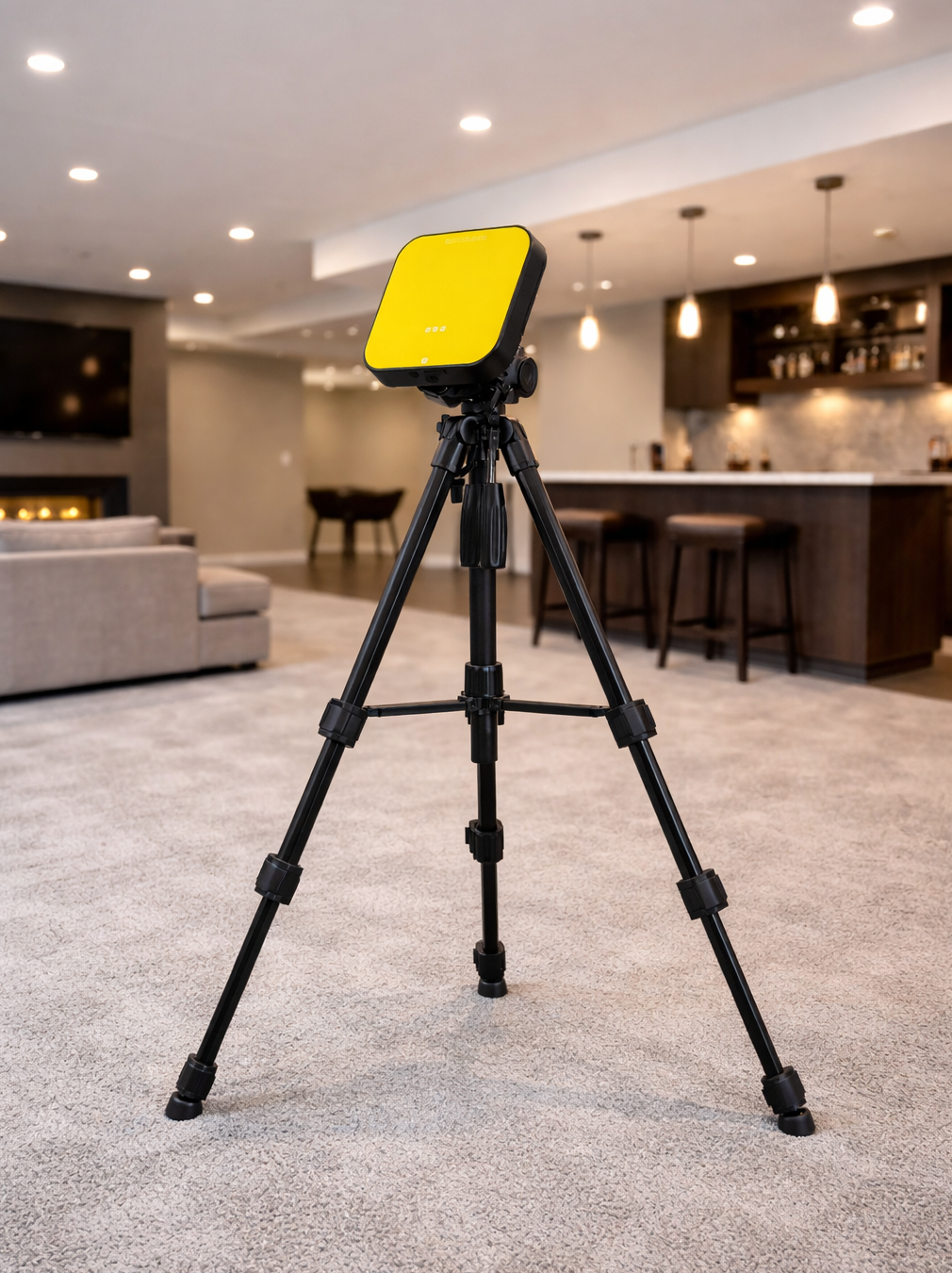
DIY radon kits can be useful for homeowners who want to monitor their home over time, but they're generally not the best option, or the most reliable, during a real estate transaction.
When we perform a radon test, we follow EPA testing protocols, including closed-house conditions, proper monitor placement, and a minimum 48-hour testing period. Our professional-grade, calibrated monitors record hourly radon levels throughout the test, providing reliable documentation that buyers, sellers, and real estate agents can trust.
Just as importantly, we don't simply hand you a number.
We explain what the results mean, whether they exceed the EPA's recommended action level of 4.0 pCi/L, and what the next steps may look like.
What If Elevated Radon Levels Are Found?
Finding elevated radon levels doesn't automatically mean you should walk away from the home.
In fact, radon mitigation is one of the more straightforward issues we encounter.
Mitigation systems are highly effective and are commonly installed throughout North Atlanta. These systems safely vent radon gas before it can accumulate inside the home, and they're suitable for homes with basements, crawlspaces, and slab foundations.
The important part is identifying the issue first. Once you know it's there, it's typically very manageable.
So, Should You Add Radon Testing?
For most buyers, we think the answer is yes.
A standard home inspection evaluates the home's visible systems and components, but radon requires specialized equipment and separate testing. Without it, there's simply no way to know whether elevated levels are present.
Compared to the overall cost of purchasing a home, radon testing is a relatively small investment that provides valuable information during the inspection process. For more information about the radon testing we provide, visit our Services page or check out our radon-specific FAQs.
If you're buying or selling a home anywhere in Alpharetta, Milton, Roswell, Johns Creek, Cumming, North Fulton County, or South Forsyth County, we'd be happy to answer your questions and help you decide whether radon testing makes sense for your situation.
